Today's Runes for Fiona Apple
| The Fork spread is used at critical turning points, to understand the dynamics of an important decision. Ice Runes are most commonly used for questions about struggle, conflict, and achievement. |
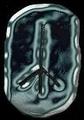
| The left rune represents the first possible outcome. Algiz plainly shows the antlers of the elk that it represents. The elk is the object of the hunt, and hence Algiz speaks to the pursuit of goals and the thrill of that pursuit. The rune is currently shown reversed, so this could suggest a failed endeavor or a lack of effort. Algiz is also representative of a protective hand (fingers open wide), so the reversed form may indicate a failed defense. |
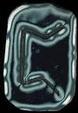
| The right rune represents the second possible outcome. Perth is the rune of chance and gambling. Throw the dice, read your fate. Gaming is a fine way to pass the night...as long as one is careful. Games of chance have outcomes that are hidden from us, and as such Perth represents secrets unknown. Perth symbolizes enjoyment and wild abandon, but be watchful, for Perth is also the rune of mystery and the outcomes unexpected. You cannot lose if you do not play, but neither can you win... |
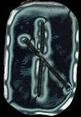
| The bottom rune represents the critical factor that determines what will come to pass. Nyd represents many things, most of them unpleasant - heed it well. Constraint, delay, loss, need, and sorrow are all frequently seen in this rune. Nyd speaks most strongly of pause, the hallmark of the both the timid and the patient, and is often interpreted as foretelling a delay in the effect of other runes that it accompanies. Fortunately, even where there is misery and danger there are valuable lessons to be learned - the trick is to learn them before you are overtaken by despair. |
|
|