Today's Runes for Jennifer Love Hewitt
| The Fork spread is used at critical turning points, to understand the dynamics of an important decision. Stone Runes are most commonly used for questions about the natural world and things beyond human control. |
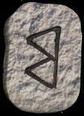
| The left rune represents the first possible outcome. Berkana, the birch tree, is representative of rebirth, fertility, and a positive outcome to ventures undertaken. It is also the rune of families. Here the rune is reversed, warning you to be heedful of new beginnings, lest they sour. Rebirth is either delayed, or totally disrupted. There is also a warning of family troubles. |
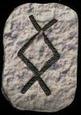
| The right rune represents the second possible outcome. Inguz is the rune of completion and fertility. The presence of this rune suggests that tasks which have been initiated will come to fruition. This rune is associated with Ing and Frey, it is this connection that explains its connotations of both fertility and sexuality. The variant of this rune shown here is reminiscent of the twin strands of life, and of the challenge and rewards of bringing together things complimentary. |
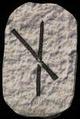
| The bottom rune represents the critical factor that determines what will come to pass. Nyd is frequently seen as a powerfully negative rune. You have drawn the rune reversed, which will lessen some of its effects. Generally Nyd represents loss, sorrow, and a hard journey with lessons learned. Nyd reversed here might be cautioning that the lessons might go unheeded representing repeated mistakes. The rune here might also be representing a minor loss or a nearly avoided catastrophe. Be careful, things are tricky and require strong attentiveness. |
|
|