| The Celtic Cross spread is one of the most popular Tarot spreads, providing varied insight into many aspects of a complex situation and your role in it. The Colman Smith Tarot is a modern reinvention of the classic Rider Waite deck, infusing the original line drawings by Pamela Colman Smith with colors drawn from the psychedelic digital age. |
 | The card not shown but at the center of the cross, represents the atmosphere surrounding the central issue. King of Wands: The essence of fire behaving as air, such as lightning: A great and daring leader who inspires others to rise to challenges alongside him. An artist who can take hold of an idea and make it a reality through bold action. One who is forceful, charismatic, and honest, leading by example, but unafraid to invest authority in others. A dashing and magnetic personality, carrying authority naturally, and striking at the world with swiftness and grace. |
 | The card visible at the center of the cross represents the obstacle that stands in your way - it may even be something that sounds good but is not actually to your benefit. The High Priestess, when reversed: Being confused and led astray from the true path. Spiritual deception. Overzealous and shallow-minded pursuit of the esoteric. Insecurity, conceit and self-destructiveness. The forces of nature unleashed. |
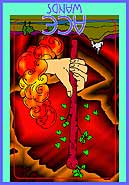 | The card at the top of the cross represents your goal, or the best you can achieve without a dramatic change of priorities. Ace of Wands, when reversed: The seed of a new crisis - perhaps as yet unseen. The start of an explosive situation threatening to consume all who get too close. The herald of birth, invention, or upheaval. An innate and primal force unleashed. May suggest a surge of vitality, creativity, or fertility that can set dangerous events in motion. |
 | The card at the bottom of the cross represents the foundation on which the situation is based. Judgement: A swift and conclusive decision. The resolution of a matter long unanswered. A change in point of view, most frequently towards greater enlightenment. Final balancing of karma. |
 | The card at the left of the cross represents a passing influence or something to be released. Nine of Pentacles (Gain), when reversed: Bad luck attending material affairs. Elitism and snobbishness. Lack discipline resulting in the erosion of security and stability. Contempt for the exact labors that brought one to a position of refinement. Dishonesty in financial matters. |
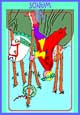
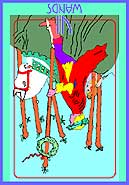 | The card at the right of the cross represents an approaching influence or something to be embraced. Six of Wands (Victory), when reversed: Arrogance and dangerous overconfidence as the result of a past success. Impudence and false pride in meaningless achievements. Fear of failure coupled with false hopes. Frustration over indefinite delays and motion without progress. |
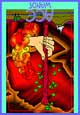
 | The card at the base of the staff represents your role or attitude. Three of Swords (Sorrow), when reversed: Unsettling news that helps you to distance yourself from a destructive relationship. Painfully honest communication that needs to take place. Not letting yourself be dragged by your emotions into a negative situation. A trust or confidence betrayed in an attempt to help someone in need. The revelation of a painful truth. |
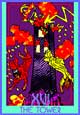
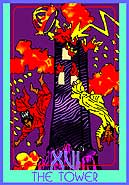 | The card second from the bottom of the staff represents your environment and the people you are interacting with. The Tower: Unforeseen catastrophe. An abrupt change, perhaps leading to a new lifestyle and enlightenment. May indicate a broken relationship, divorce, or failure in business or career. |
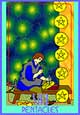
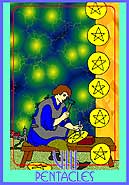 | The card second from the top of the staff represents your hopes, fears, or an unexpected element that will come into play. Eight of Pentacles (Prudence): Dedicating yourself fully to a task. Learning a new craft or skill. Applying painstaking attention to detail. Industriousness and the efficient completion of tasks. Sticking with a project long enough to see it through. |
 | The card at the top of the staff represents the ultimate outcome should you continue on this course. The Hermit, when reversed: Detachment based on fear, irresponsibility or naivet�. Self-imposed isolation from friends and loved ones. Listening to the wrong advice or ignoring good counsel. Concealment, disguise, and unreasoned caution. |