Tarot Runes I Ching Stichomancy Contact
Store Numerology Coin Flip Yes or No Webmasters
Personal Celebrity Biorhythms Bibliomancy Settings

Today's Tarot for John Carpenter

Click for Details
Click for Details Click for Details Click for Details
Click for Details
Click for Details
Click for Details Click for Details Click for Details

The Cross and Triangle spread is a powerful means of understanding complex situations, developed by the Hermetic Order of the Golden Dawn. This spread is rich in occult and mystical symbolism, and one of our favorites here at Facade. The William Blake Tarot explores the mystical vision and artistry of the renowned English painter and poet. Through rich interpretations focused on creative undertakings, it has long been the deck of choice for artists, writers, musicians, and thinkers. For more information about this deck, or to buy your own personal copy, go to www.blaketarot.com.
Click for DetailsThe first card, the significator, is placed in the center of the cross. This card represents the prime energy manifest in your life. Seven of Poetry (Boldness), when reversed: Fighting the wrong fight. Taking foolhardy action. Grandstanding over empty idealism. Tests of true integrity, firmness, and commitment. The challenge to do the right thing even if it is the inglorious thing. In the creative process: Maintain your artistic tenacity and courage despite any criticism, disapproval, or influence of societal prejudices or market pressures.
Click for DetailsThe second card, placed above the significator, represents Air. It describes your spirit, process of thought, and the influence of reason. Two of Poetry (Individuality), when reversed: Mistaking personal perception for the zeitgeist. Being blinded by the appearances of things. Treating the objective as subjective. Believing that self-knowledge cannot be found through consultation with others. Deciding between societal and individual points of view. Looking for something in the wrong place. In the creative process: Distinguish between the expression of your Self and the expression of your ego; discover the difference between wise individuality and unwise individualism.
Click for DetailsThe third card, placed to the right of the significator, represents Fire. It describes your motivations, creative energies, and the influence of passion. Five of Painting (Hardship): Tangible difficulties, insecurity, or financial worries. Possible material losses, pain, or illness. Accusations and criticism, or blame from others. Exclusion. Suffering. Issues of support, loyalty, or companionship in hard times. In the creative process: Realize that the problems you are trying to solve may put you at odds with others who do not recognize your value. Be ready to grapple with personal blocks and fears, and to hear more from your inner voice than reasons why things won't work.
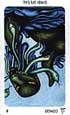
Click for DetailsThe fourth card, placed below the significator, represents Water. It describes your emotions, meditations, and the influence of love. Angel of Science, when reversed: Lost in the realm of pure or abstract thought. Cold, emotionless, and analytical thinking. Idle speculation. Lofty, possibly unreachable, goals. Scientific, intellectual, or "ivory tower" idealism. In the creative process: An intellectual vision or perfect insight inspires you to rise above yourself.
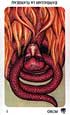
Click for DetailsThe fifth card, placed to the left of the significator represents Earth. It describes your physical presence, position in life, and the influence of the material world. Energy, when reversed: Intoxication with vitality and lust for life. Reliance on physical strength and endurance rather than wit and reason. Being blinded by your natural instincts. Seeking in vain for animal or totem forces as allies. Being imprisoned by language, as the Tower of Babel. Irrationality and stubbornness.
Click for DetailsAt this point the cross is complete and the triangle is formed. The sixth card, placed on the bottom left of the triangle represents one of two opposing forces. Ten of Science (Defeat): Feeling mentally or philosophically burned out. Consigned to the fire. Plans and hopes overturned. Gripped by vice, obsession, or addiction. Existential or spiritual surrender. In the creative process: Difficulties abound; your work is in flames. Defeat must be transcended by right attitude. Remember that suffering is the short road to Spirit.
Click for DetailsThe seventh card, placed on the bottom right of the triangle represents the force that opposes the bottom left card. These forces may be external, but they are frequently one's own inner archetypes in conflict. Six of Music (Pleasure): "...we cannot experience pleasure but by means of others...". Being the center of attention. Receiving support from teamwork or group action. Satisfaction deriving from family, friends, colleagues. Participation in a social or community endeavor. Reunion. Keen awareness of the dance of life. Forging links and bonds with others. Experiencing a sense of belonging. Nostalgia and happy memories. In the creative process: Make use of collective or group energies, bringing them together for maximum benefit and mutual enjoyment.
Click for DetailsThe eighth card, the reconciler, is placed below the cross in the third vertex of the triangle. This is the force that will resolve the conflict between the bottom left and bottom right cards. By meditating on this force and bringing more of it into your life, you can bring the matter at hand to a swifter conclusion than would naturally occur. Four of Poetry (Harmony), when reversed: Things refuse to come together. Achievements or personal successes go unrecognized. What was sown cannot be reaped. Discord among friends and family. Inability to working together with a partner or share a special experience. In the creative process: The various elements and personalities involved in your project are interacting harmoniously, generating an appropriate sense of gratitude for what has been accomplished so far.
Click for DetailsThe ninth and final card, placed in the center bottom of the triangle, represents the final outcome unless you change course. Three of Painting (Practice): A need to exercise and master your skills and talents. Creatively interacting with your peers. The play of social dynamics at work or on the job. Seeking a synthesis of the available factors. Building support. Integrating energies to achieve a mutual goal. In the creative process: Experimentation and manipulation are the keys to acquiring the experience needed to get the job done.