Today's Tarot for Tom Cruise
| The Three Fates spread is an exceptionally popular way to gain insight into the emerging arc of the past, present, and future. The Phoenix Tarot is one of the most strikingly beautiful decks of the 20th century. Through vibrant colors and stylized images, it breathes new life into the familiar symbology of the Tarot. If you would like your own copy of the Phoenix Tarot, you can buy it now! |
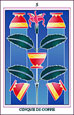
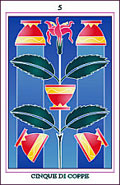 | The left card represents an important element of the past. Five of Cups (Disappointment): Suffering a loss and wishing for what might have been. Being crippled by sadness, grief, and vain regret. Indecision brought on by the feeling that you made the wrong choice. Ignoring what you still have. May suggest a broken relationship or tragedy. May also suggest a gift, inheritance, opportunity, partnership, or marriage, but one that falls below expectations. |
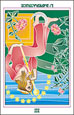
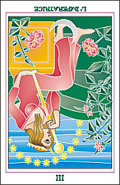 | The middle card represents a deciding element of the present. The Empress, when reversed: Stifling matriarchal influence. Unhappiness, selfishness, poverty and disruption of the home or family. Indecision, paranoia, and jealous rage. Sterility. |
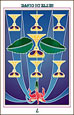
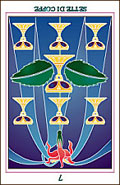 | The right card represents a critical element of the future. Seven of Cups (Temptation), when reversed: Daydreams and fantasies brought into realistic focus. The contemplation of many options leading to a conclusive choice. Inner clarity that dissipates illusions and false choices. Remaining connected to reality in the face of intoxication, delirium, or hallucination. Under rare and extreme circumstances, may indicate the failure to recognize a transcendental spiritual truth. |
|
|