Today's Tarot for Nick Cave
| The Fourfold Vision spread offers a progression of different ways of looking at an object, person, or situation. It is a powerful tool for gaining deeper insight into the specific subjects of other readings. The Lovecraft Tarot is a tribute to the gothic writings of the visionary H.P. Lovecraft. It is the deck of choice for explorers of the macabre, and for posing questions that should never be asked. If you would like your own copy of the Lovecraft Tarot, you can buy it now! |
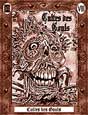
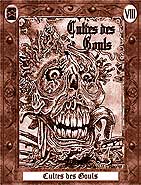 | The card on the far right represents the object being viewed, be it an idea, relationship, or the self. Eight of Tomes (Cultes des Gouls): A sudden release of raw power, cutting through confusion and indecision, and setting things in motion. Rapid progress towards a desired goal, brought about by immediate and decisive action. Boldness and daring in love, business, travel, or spiritual growth. |
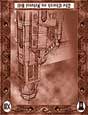
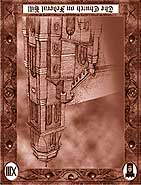 | The card second from the right represents the physical vision: how the object is seen at a base or mechanical level. Queen of Sites (The Church on Federal Hill), when reversed: The dark essence of earth behaving as water, such as ice: A cold but generous host, driven by an overwhelming need for to accumulate and maintain opulence. A person so preoccupied with wealth and security that they can never stop to enjoy either. One who reflects the weaknesses of others, breeding suspicion and mistrust. |
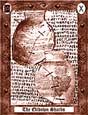
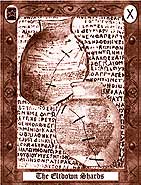 | The card in the middle represents the mental vision: the object personified and seen through a humanized perspective. Ten of Tomes (The Eltdown Shards): Success and gain, leading you to take on a burden greater than you can carry. Noble leadership transformed, through lack of restraint, into tyranny. The crushing weight of ultimate responsibility. Having spent their fuel, the engines of creation grind to a halt. |
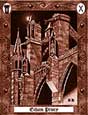
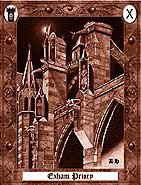 | The card second from the left represents the emotional vision: how passions and values are creatively stimulated by the mental vision. Ten of Sites (Exham Priory): Completion of material prosperity and riches. Freedom from financial anxiety, the security of home, and the enjoyment of family. The passing of inheritance along to children, or the gaining of inheritance from parents. |
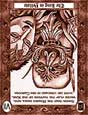
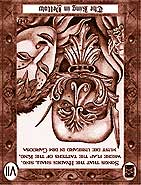 | The card on the far left represents the fourfold or mystical vision: still viewing through the previous three, we now add a spiritual element, revealing unseen aspects of the object. Seven of Tomes (The King in Yellow), when reversed: Failure to stand up for your beliefs in the face of a hostile majority. A self-fulfilling fear of failure or embarrassment. Great challenges met with cowardice. Quarrels, perplexity, and indecision at a crucial moment. |
|
|